
Georgia Caregiver Training Requirements
Understand Georgia’s caregiver expectations, prepare for agency work or Medicaid programs, and complete training that meets competency standards.

How Georgia Evaluates Caregiver Readiness
Georgia does not issue a single caregiver license or training mandate. Instead, caregiver readiness is established through employer verification, Medicaid program rules, and federal requirements for certain roles.
Caregivers are expected to demonstrate competency in personal care, safety, infection control, and communication before working independently.
The Most Common Caregiving Roles in Georgia
Personal Care Aides (PCAs)
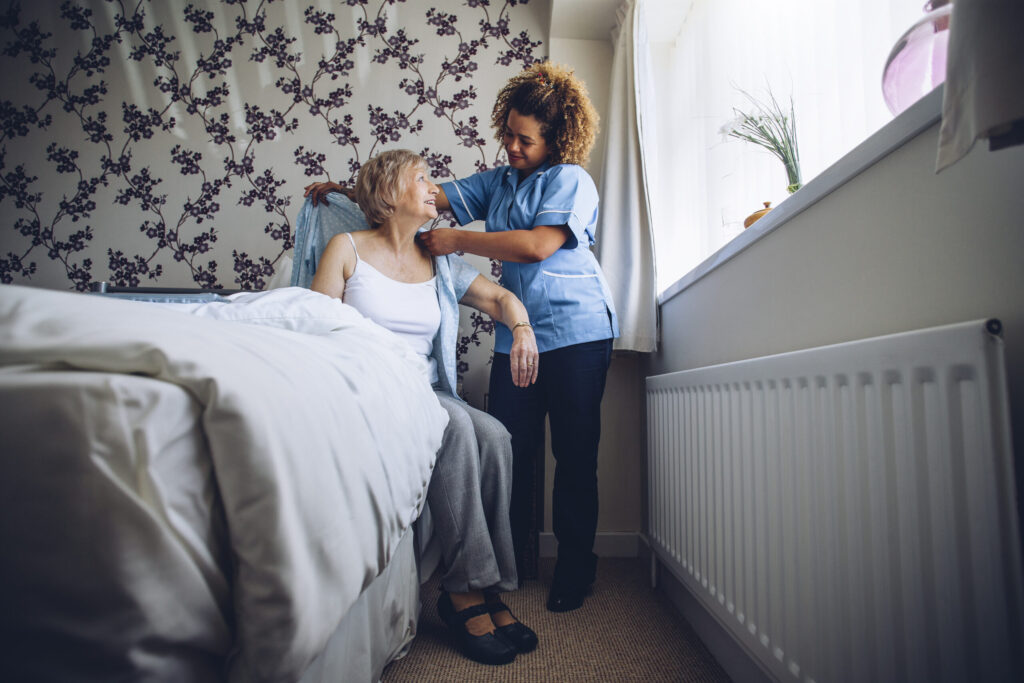
PCAs provide hands-on, non-medical support that allows clients to remain safely at home.
Common responsibilities include:
- Bathing, grooming, dressing, and toileting
- Meal preparation and feeding assistance
- Mobility support and safe transfers
- Monitoring safety and preventing falls
Georgia does not impose a fixed training-hour requirement, but agencies must confirm caregivers are trained and capable before assigning clients.
Companion Sitters
Companion caregivers provide supervision and non-hands-on assistance.
Typical duties include:
- Social interaction and companionship
- Light housekeeping
- Meal preparation
- Monitoring and reassurance
Although state regulation is limited, employers usually require basic caregiver training to ensure safety and professionalism.
Home Health Aides (HHAs)
HHAs working for Medicare- or Medicaid-certified agencies must meet federal CMS standards.
These include:
- A minimum of 75 hours of approved training
- At least 16 hours of supervised practical experience
- Successful completion of a competency evaluation
Family Caregivers in CCSP and SOURCE
Georgia Medicaid allows family caregivers through:
- Community Care Services Program (CCSP)
- SOURCE
Family caregivers must demonstrate PCA-level skills and follow the approved care plan. Training helps ensure compliance, safety, and program approval.
Caregiver Training and Certification Requirements in Georgia
Training Expectations for Non-Medical Caregivers
Agency-aligned caregiver training in Georgia typically covers:
- Personal care and ADL assistance
- Infection control and hygiene
- Emergency response and safety awareness
- Documentation and communication
- Client rights and ethical conduct
Home Health Aide Training Requirements
HHAs must meet federal training and evaluation standards to work in certified agencies.
Why Choose Us for Georgia Caregiver Training

Start learning today
Enroll in your Georgia caregiver training now and gain the confidence to deliver high-quality, compliant care.
Competency-based, CEU-backed courses
Accepted by employers and Medicaid programs
Fully online with flexible pacing
Instant certificate upon completion
Trusted nationwide
Frequently Asked Questions (FAQ)
Who Oversees Caregiver Training in Georgia?
- Georgia Department of Community Health (DCH)
- Division of Aging Services
- Centers for Medicare and Medicaid Services (CMS)
- Licensed home care agencies
Are online Caregiver courses accepted in Georgia?
Yes, Georgia agencies and Medicaid programs accept online, competency-based caregiver training with verifiable certificates.
Our courses provide:
- CEU-accredited instruction
- PCA-aligned curriculum
- Self-paced access for up to 365 days
- Immediate proof of completion
What are the caregiver requirements in Georgia?
Caregivers must demonstrate competency in personal care, safety, infection control, and communication. Requirements vary by role (PCA, HHA, companion sitter, or family caregiver).
Do you need certification to be a caregiver in Georgia?
PCAs are not licensed by the state, but training certificates are required by most employers. HHAs must complete federally approved training.
How do I get paid to care for a family member in Georgia?
If the individual qualifies for Medicaid and enrolls in CCSP or SOURCE, they can appoint a family caregiver through consumer direction.
What are the Georgia Medicaid caregiver program requirements?
Family caregivers must meet PCA-level competencies, pass background checks, and follow the Medicaid-approved care plan.
How long does caregiver training take in Georgia?
Most PCA-aligned programs take 8–15 hours. Our courses include 365 days of access to complete training at your pace.
Does Georgia accept online caregiver training?
Yes, Georgia agencies and Medicaid programs accept online, competency-based training with a recognized certificate.